
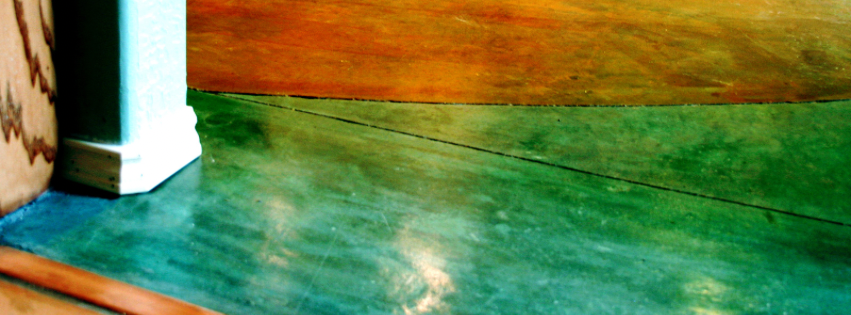
Color plays a powerful role in design. It sets the tone of a space, defines architectural features, and influences how a surface feels over time. When it comes to concrete, modern coloring techniques have transformed what was once a purely functional material into a refined design element capable of rivaling stone, tile, and hardwood.
For homeowners and builders, decorative concrete coloring offers a way to achieve long-lasting beauty without sacrificing durability. Unlike paint or surface coatings that fade or peel, today’s concrete coloring methods are engineered to endure.
Here’s how modern concrete coloring creates luxury results and why it continues to gain popularity in high-end residential and commercial projects.
1. Integral Color: Built Into the Concrete Itself
Integral coloring is mixed directly into the concrete before it’s poured, meaning the color runs consistently throughout the slab.
Why it’s a premium option:
- Color won’t chip or peel
- Scratches are less noticeable
- Consistent appearance across large areas
- Ideal for patios, walkways, and driveways
Integral color is especially popular for stamped concrete projects, where it provides a rich base tone that enhances texture and pattern.
Stamped Concrete vs Regular Concrete: Which is Best for Your Walkway or Patio?
2. Stained Concrete: Depth, Movement, and One-of-a-Kind Results
Concrete staining remains one of the most popular choices for luxury spaces because no two stained surfaces are ever identical. Acid stains and water-based stains react differently with each slab, creating natural variation and layered depth.
Stained concrete works beautifully for:
- Interior floors
- Basements
- Entryways
- Outdoor patios
The result is an organic, high-end finish that feels curated rather than manufactured.
3. Layered Color Techniques for Custom Design
Luxury concrete design often involves layering multiple coloring techniques. A project may use:
- Integral color as a base
- Stains for depth and movement
- Highlight tones for borders or inlays
This approach creates dimension and visual interest while maintaining cohesion throughout the space. Layered coloring is frequently used in patios, pool decks, and custom outdoor living areas.
4. Fade Resistance and Longevity Matter
One of the biggest advantages of modern concrete coloring is longevity. High-quality pigments and stains are designed to resist:
- UV exposure
- Moisture intrusion
- Freeze–thaw cycles
- Daily wear and foot traffic
When paired with proper sealing and maintenance, colored concrete can maintain its appearance for decades — far longer than many traditional flooring materials.
5. Choosing the Right Color Palette for Your Space
Selecting the right color isn’t just about preference — it’s about context. Factors to consider include:
- Natural light
- Surrounding materials (stone, brick, wood)
- Interior vs. exterior placement
- Architectural style
- Desired warmth or contrast
Working with an experienced concrete professional ensures your color choice enhances the space rather than overpowering it.
Final Thoughts: Luxury Is in the Details
Color has the power to transform concrete from a surface into a statement. With modern techniques, concrete coloring delivers beauty that doesn’t fade, peel, or compromise performance.
At Select Services, we specialize in custom concrete finishes that balance design, durability, and craftsmanship. Whether you’re updating an outdoor living space or designing a new interior floor, our team helps bring your vision to life with precision and care.
Get inspired by our portfolio and schedule your design consultation today.


 Select Services of Ohio
Leave a comment